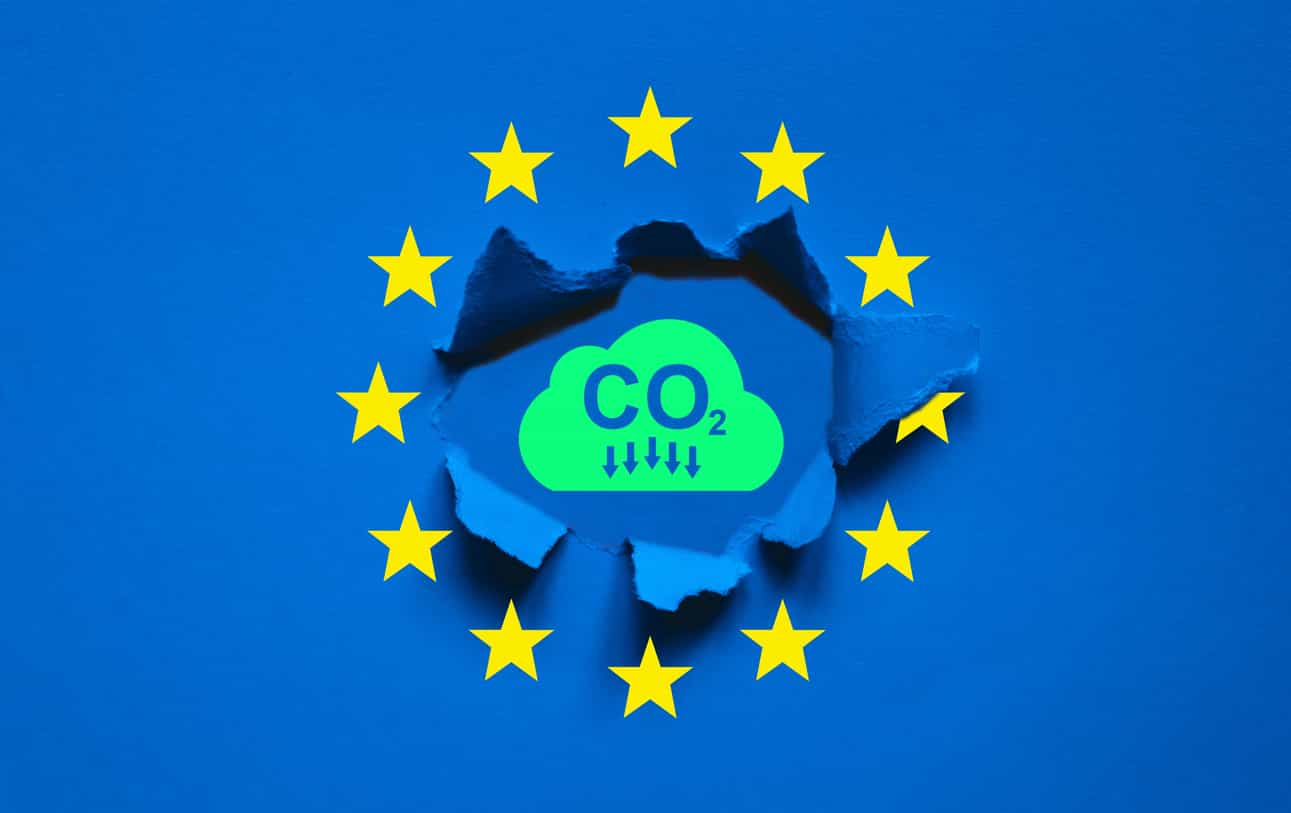
The Low Carbon Building Initiative (LCBI) has announced a major step forward in its mission to decarbonise Europe’s real estate sector: extending its low-carbon certification to renovation projects. This new framework, aligned with LCBI’s existing new construction methodology, will provide a unified, comparable carbon metric for offices, residential buildings, and hotels across eight European countries.
A Market-Driven Evolution
With demand surging for reliable, verified carbon data, investors, developers, and designers now have a tool to measure and manage the decarbonization of entire portfolios—including mixed new construction and renovation projects. “The line between renovation and new construction is never as clear as it might seem,” explains Stanislas Pottier, President of BBCA & LCBI. “This is a major step to tackle renovation at the European level, ensuring carbon accountability in every part of the process.”
Key Principles of the New Framework
The methodology will:
- Cover full life-cycle analysis (transformation, demolition, construction, operation).
- Align accounting methods for new and renovated buildings.
- Include carbon thresholds to reward exemplary low-carbon performance.
- Integrate EU taxonomy and sustainable finance frameworks.
A Proven Track Record
Since 2024, LCBI’s new construction certification has already been deployed in Italy, Germany, Luxembourg, Belgium, the Netherlands, Spain, and the UK, with 5.8 million m² under review or certified—including one-third in renovation projects. The expanded framework will first apply to France, Germany, Italy, Spain, Belgium, the Netherlands, Luxembourg, and the UK, with the methodology expected to be published by the end of 2026.
Why It Matters
As Europe’s real estate sector faces growing climate expectations, LCBI’s unified approach ensures transparency, comparability, and credibility—helping stakeholders accelerate decarbonization while meeting regulatory and market demands.